A local’s relocation guide

Moving to Gainesville, FL: What to Actually Expect

Relocating to Gainesville, Florida? Start with the practical questions: what daily life is like, which areas fit your commute, what to budget, and how to organize a move from out of state.

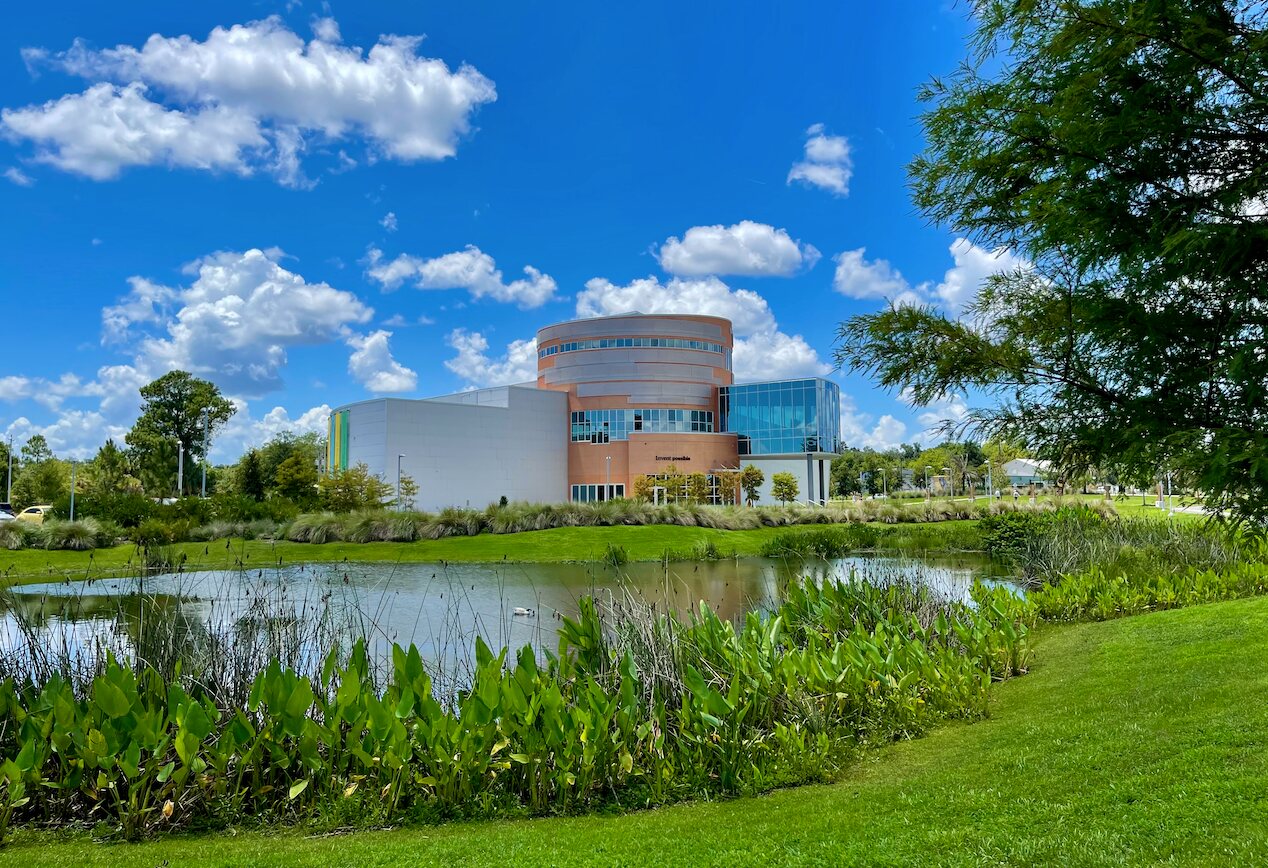
Cade Museum across a landscaped pond in Gainesville

Local guidance from Donavan Arnold, Realtor® with Momentum Realty.

Take the relocation guide with you

Download the six-page PDF for a concise reference while you plan. It opens immediately; no email address is required.

Download the Relocation Guide (PDF)

Where to Live in Gainesville: Start With Your Priorities

If you’re searching for the best places to live in Gainesville, FL, start with what your ordinary week needs to look like. A useful comparison weighs the trips you make, the home you want, and the full cost of living at a specific address.

Use the same checklist for every address

  • Commute to your actual workplace, including parking and the final walk
  • Total monthly costs, including utilities, insurance, taxes and HOA fees
  • Housing type, condition, construction age and maintenance needs
  • Internet availability, utility service and property-specific flood information
  • Distance to the parks, shops and other places you expect to use
Compare Gainesville Areas and Communities

Moving to Gainesville for UF or UF Health

Confirm the building or campus where you’ll actually work before choosing an area. “Near UF” and “near UF Health” are not precise enough to plan a daily trip.

Test your complete commute

Compare routes from each prospective address at your expected arrival and departure times. Include parking, walking, bus connections and your shift schedule. Check employer parking and transportation information directly, rather than relying on a listing’s estimated travel time.

Plan around your start date

Work backward from the day you need to be here. Consider a scouting visit, a temporary rental if needed, and the time required to arrange housing and utilities. If you’re buying remotely, plan how you’ll handle tours, inspections and closing before booking movers.

Quick Overview

Gainesville is the largest city in North Central Florida and the county seat of Alachua County. The U.S. Census Bureau’s Population Estimates Program put Gainesville’s population at 148,671 as of July 2025. It’s built around the University of Florida, which shapes much of the local economy, culture, and rhythm of the year.

It sits inland, about 70 miles from Jacksonville and roughly a two-hour drive from Orlando or Tampa. It’s not a beach town, so you’d drive to the coast rather than live on it.

Things to consider

  • Whether an inland North Central Florida location fits what you want
  • Access to a major research university and healthcare system
  • Your work and commute destination
  • A smaller city core versus larger suburban sprawl
  • What your budget gets you compared with other parts of Florida

Less of a fit when

  • You want a beach within a short drive
  • You need a broad job market outside healthcare and education
  • You want to avoid hot, humid summers lasting several months

Honest Pros and Cons

Pros

  • A range of housing types and locations to compare
  • An economy anchored by UF, healthcare, and government
  • A compact historic downtown
  • Natural springs, parks, and outdoor recreation
  • No Florida state income tax

Tradeoffs

  • Hot, humid summers
  • Beaches generally 1.5 to 2 hours away
  • High statewide homeowners-insurance costs
  • Game-day traffic and a college-town rhythm
  • Fewer large employers outside major institutions

Gainesville and Surrounding Communities

Compare nearby communities by location, commute routes, housing stock, lot size, construction patterns, and named amenities.

Newberry

See the factual overview and location details.

Explore Newberry →

Alachua

See the factual overview and location details.

Explore Alachua →

High Springs

See the factual overview and location details.

Explore High Springs →

Micanopy

See the factual overview and location details.

Explore Micanopy →

Weather

Gainesville has hot, humid summers and mild winters. Average highs reach the low 90s°F in July and August, while January lows are commonly in the low-to-mid 40s°F. Freezing temperatures occur occasionally. Summer afternoon thunderstorms are common, and humidity is often the bigger day-to-day factor.

Traffic and Commuting

Main corridors include 13th Street/US 441, University Avenue/SR 26, and Interstate 75 on the west side. RTS provides local bus service. Football game days create predictable congestion near campus and downtown. Map specific trips at the times you expect to travel.

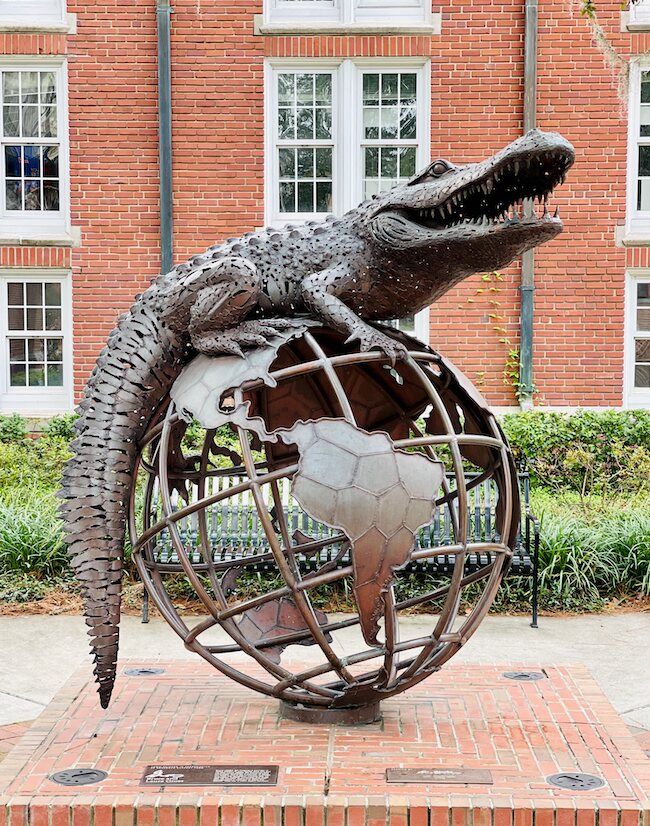
University of Florida alligator sculpture on campus

Major Employers and Reasons People Relocate Here

The local economy is anchored heavily by education and healthcare. As of Fall 2025, the University of Florida reported 33,516 employees, including faculty, and 63,148 enrolled students. UF Health, the Malcom Randall VA Medical Center, HCA Florida North Florida Hospital, Santa Fe College, and local government are among other major employers.

The job market outside education, healthcare, and government is comparatively smaller than in larger Florida cities.

Moving to Gainesville From Out of State

  1. Set your priorities. Write down your move date, regular destinations, housing needs and total monthly budget.
  2. Compare areas before individual homes. Use the area guide and map your routine trips. Decide whether renting first or buying before the move fits your situation.
  3. Plan a visit or remote tours. A scouting trip lets you experience routes and amenities. In-person and live virtual tours can help you compare properties; video does not replace inspections or other due diligence.
  4. Verify the property details. Check insurance, flood information, utilities and applicable HOA documents before committing.
  5. Coordinate your arrival. Confirm possession or lease dates before scheduling movers and service connections, then use the new resident checklist below.

If you plan to buy, the buyer guide explains the written buyer-agreement step before tours and the purchase process.

Researching schools and public safety data

Assignments and public data can change. Use school zoning, Florida school grades, the City crime dashboard, and Sheriff’s Office crime reports. I’m happy to help you locate these resources for a specific address, but I won’t characterize a school or area for you.

After you choose an address

New Resident Checklist

Providers, eligibility, deadlines, and service areas can change. Confirm each item for the exact property and your circumstances with the linked official source.

Set up utilities

Confirm which utilities serve the address, then schedule connection. Start with Gainesville Regional Utilities; properties outside its service area may use another provider.

Change your mailing address

Submit a change directly through the official USPS Movers Guide, and update important accounts individually.

Review homestead exemption

If you own and occupy the home as your permanent residence, check eligibility, documents, and filing dates with the Alachua County Property Appraiser.

Request property-specific insurance quotes

Ask licensed insurance professionals to quote the exact home, roof, construction, flood exposure, and coverage choices. The Florida Office of Insurance Regulation provides consumer resources.

Compare internet availability

Enter the exact address in the FCC National Broadband Map, then confirm plans, speeds, fees, and installation with each provider.

Plan for unwanted items

If your move includes furniture removal, garage cleanouts, estate cleanouts, or other unwanted items, visit Hogtown Hauling & Junk Removal for local service information.

This checklist is general information only and is not legal, tax, insurance, or other professional advice.

Frequently Asked Questions

Where should I start when relocating to Gainesville, FL?

Start with your destination and timeline: where you need to travel regularly, when you need housing, and your total monthly budget. Compare Gainesville with surrounding communities, then check the costs and services for individual addresses. A postal address alone does not tell you the utility provider, taxing jurisdiction, or commute.

What are the best places to live in Gainesville, FL?

The best fit depends on your priorities. Compare Northwest Gainesville, Southwest Gainesville and Haile Plantation, downtown, and nearby communities using your commute, housing type, budget, lot size and preferred amenities. Check specific addresses rather than treating every property in an area as the same.

Should I rent or buy when moving to Gainesville from out of state?

Renting can give you time to experience your commute and compare areas before committing to a purchase. Buying may fit when your plans, financing and property research are settled. Compare lease terms, moving costs, ownership costs and your expected length of stay; neither choice suits every move.

Is Gainesville worth considering for a relocation?

Gainesville may be worth considering if your priorities include an inland North Central Florida location, a smaller city core, or access to UF and major healthcare employers. It may be less of a fit if you want to live near the beach or need a larger non-institutional job market.

How far is Gainesville from the beach?

Many Atlantic and Gulf Coast destinations are roughly 1.5 to 2 hours away, depending on the destination, route, and traffic.

Does Gainesville get cold or see snow?

Winters are generally mild, with occasional freezing nights. Snow is extremely uncommon.

What is Gainesville traffic like?

Conditions vary by route and time. Home football Saturdays predictably create congestion near UF and downtown.

Is it expensive to live in Gainesville?

Housing, insurance, taxes, utilities, HOA fees and maintenance vary by property and change over time. Compare current costs for the specific homes you are considering.

Can I buy a home without visiting first?

It can be done using live video walkthroughs and local representation. Remote closing options may be available depending on the lender, title company, and document requirements.
Sources and official resources

Census QuickFacts
University of Florida Facts
Florida Climate Center